🔭 Product Review · Optics · 2026

Best Monocular of 2026 — Tested & Ranked

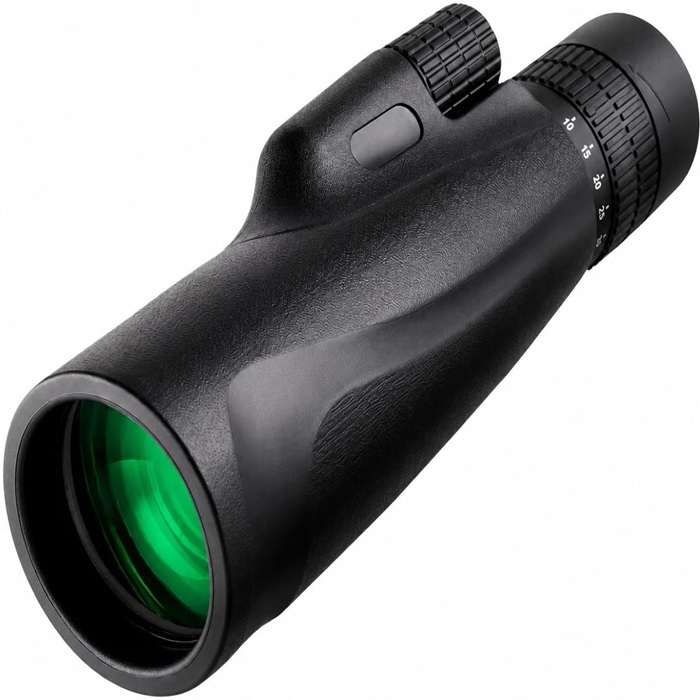
I packed 5 top monoculars on real shoots — wildlife, portraits, travel and far-off subjects — to find the one that actually replaces a heavy camera. After weeks of field testing, the phone-ready Starscope Monocular left everything else behind.

A great monocular should be light enough to forget you're carrying it and sharp enough to make you forget your bigger camera. Most "travel-friendly" monoculars are either too bulky, too soft, or can't capture a decent photo when you want one. After 4 weeks of real-world testing 5 top monoculars across image sharpness, portability, low-light performance, smartphone compatibility, build quality and value, one unit ended up leagues ahead of everything else we tried — a compact phone-clip monocular that shoots crisp, detailed images and clips onto any phone in seconds.

🛒 Our Tested & Ranked Picks

🏆 Best Overall · Editor's Choice
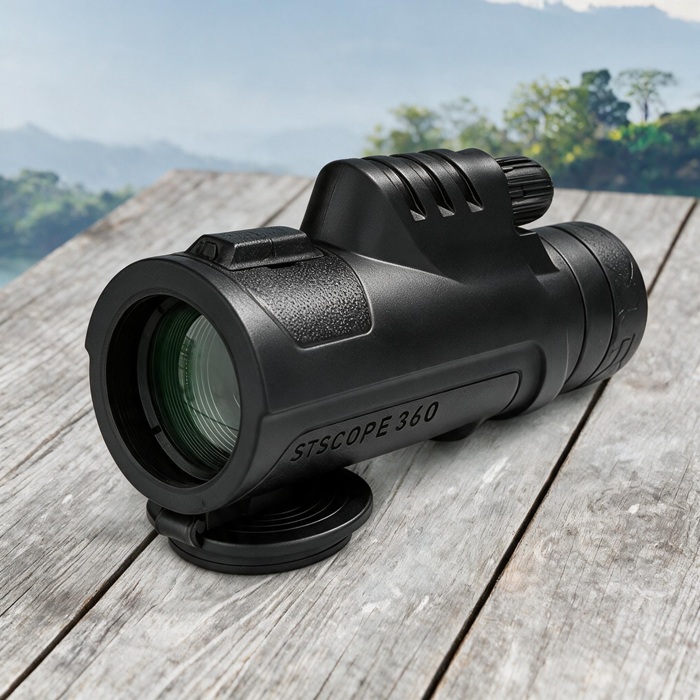
Starscope Monocular
Starscope

What We Like

  • Compact, lightweight design — ditch the bulky camera and heavy lenses
  • Crisp, detailed high-quality optics for stunningly sharp images
  • Clips onto any phone in seconds — instant phone telephoto lens
  • Zooms right in on portraits, wildlife and people hundreds of meters away
  • Tough field-ready build that fits in a pocket or kit bag

What We Don't Like

  • Steady hands or a small tripod help a lot at maximum zoom
  • Field of view narrows at the highest magnification
Overall Score
9.7/10
★★★★★
26,000+ USERS GAVE THIS BRAND 5 STARS
VISIT SITE
Risk-Free Offer
90-Day Money-Back Guarantee
Best For: Photography Wildlife Outdoor Travel Phone Photos
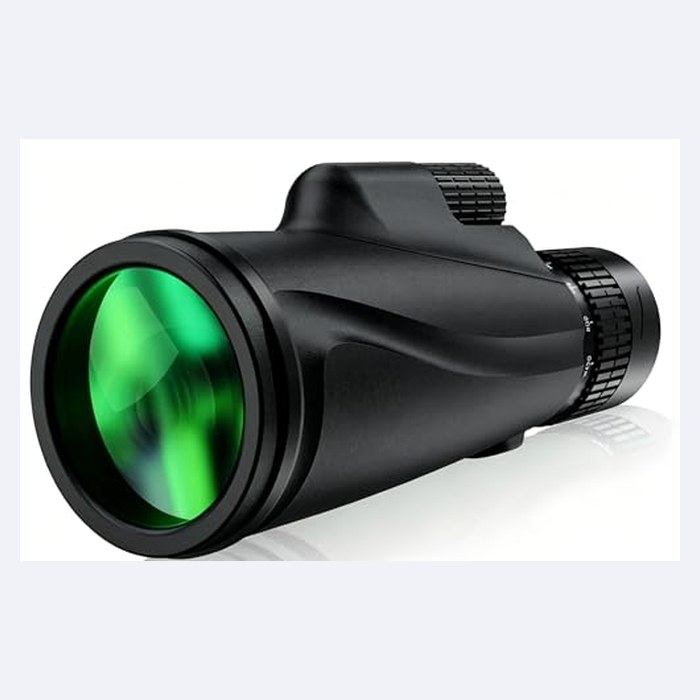
PhysioPhyx Monocular
PhysioPhyx

What We Like

  • Slim, pocket-size build that slips into any bag
  • Surprisingly good low-light performance for its size
  • Simple smartphone clip included for quick shots
  • Light enough for all-day carry on the trail

What We Don't Like

  • Modest magnification ceiling compared to the winner
  • Edge sharpness drops noticeably at full zoom
Overall Score
9.0/10
★★★★★
3,400+ USERS GAVE THIS BRAND 4.8 STARS
VISIT SITE
Free Shipping & Returns
Best For: Travel Phone Photos Pocketable Everyday Carry
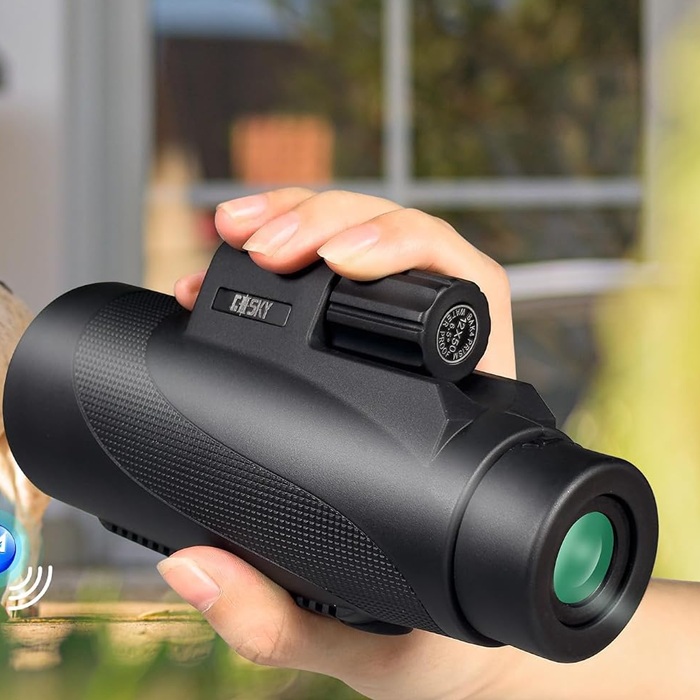
Gosky Monocular
Gosky

What We Like

  • Rugged rubber-armoured body that shrugs off knocks
  • Wide, comfortable field of view for scanning terrain
  • Fully multi-coated optics deliver bright, vivid views
  • Great all-rounder for hiking and birding

What We Don't Like

  • Heavier than the phone-ready ultralights we tested
  • Smartphone adapter sold separately
Overall Score
8.6/10
★★★★½
8,900+ USERS GAVE THIS BRAND 4.7 STARS
VISIT SITE
Free Shipping & Returns
Best For: Outdoor Birding Hiking Budget
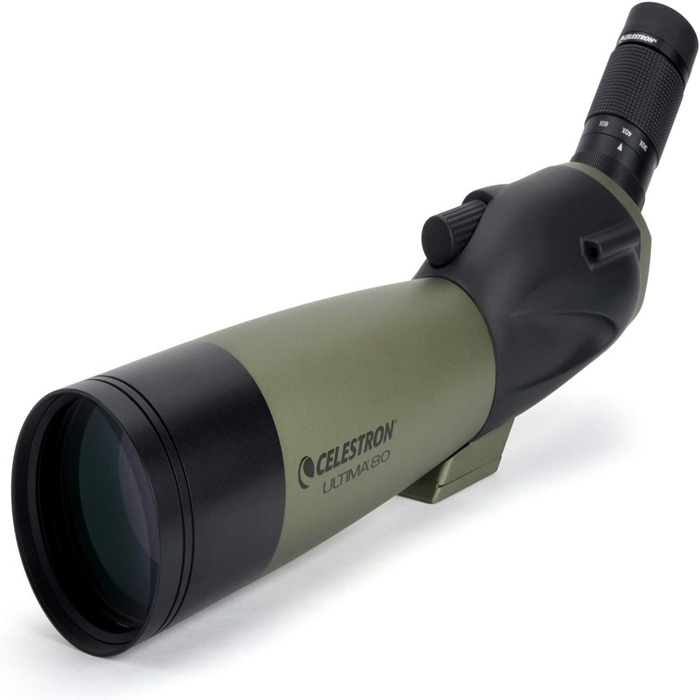
CELESTRON Monocular
CELESTRON

What We Like

  • Trusted optics brand with a proven track record
  • Clean, neutral image quality straight out of the box
  • Durable, well-sealed housing ideal for the outdoors
  • Dependable choice for beginners and seasoned users alike

What We Don't Like

  • No built-in phone mount — you'll need an accessory
  • Priced at a premium for the brand name
Overall Score
8.4/10
★★★★½
15,200+ USERS GAVE THIS BRAND 4.6 STARS
VISIT SITE
Free Shipping & Returns
Best For: Optics Trust Birding Outdoors Beginners
ZHIKE Monocular
ZHIKE

What We Like

  • Refreshingly affordable — a fantastic entry point
  • Sporty, lightweight build that's easy to handle
  • More than adequate clarity for everyday use
  • Great option for kids, beginners and casual observers

What We Don't Like

  • Optics obviously don't match premium rivals in low light
  • Plastic body feels less durable over the long haul
Overall Score
8.2/10
★★★★½
6,100+ USERS GAVE THIS BRAND 4.5 STARS
VISIT SITE
Free Shipping & Returns
Best For: Budget Entry-Level Travel Kids
Ethan Brooks testing monoculars in the field

A note from Ethan: I'm a working outdoor and wildlife photographer, so my gear lives on my back all day. What won me over about the Starscope isn't just the sharp glass — it's that I can pull it out of a pocket, clip it to my phone and get a crisp, close-up shot of a subject dozens or hundreds of meters away, without dragging a heavy camera kit through the hills. My back used to ache from carrying my old rig; now I'm always ready to shoot. For anyone who chases light instead of specs, it's a genuine game-changer.

📋 Buying Guide · How to Choose a Monocular

1. Decide what "portable" really means to you.

If you'll throw it in a daypack or a camera bag, pocket-size and ultralight matter. If it lives by the window or in the car, a slightly larger unit with a bigger objective lens buys you more brightness and magnification for less money.

2. Optics beat headline numbers every time.

Don't obsess over the magnification number alone. Look for fully multi-coated lenses and quality prisms — they determine brightness, contrast and edge-to-edge sharpness far more than the zoom figure does.

3. Consider how you'll actually use it.

Want to capture photos? Prioritize a unit with a reliable smartphone mount. Want to scan terrain or wildlife? Favor a wide field of view. Planning dawn-dusk sessions? Pay extra attention to low-light performance.

4. Check the build and weather resistance.

Rubber armouring, sealed housings and waterproofing decide whether your monocular survives a life outdoors — or sits home after one rainy hike.

5. Buy from somewhere with an easy return.

You can't judge image quality from a product page. Choose brands with free shipping, free returns or a risk-free money-back guarantee so you can put it to a real test first.

🔬 How We Tested

At AWisePick we believe transparency is key to helping you make informed decisions. Our team follows a rigorous 5-step analysis framework:

  1. Feature & Spec Collection — We compile details from manufacturer sites, official documentation and retailer listings.
  2. Cross-Platform Comparison — We build side-by-side feature matrices comparing magnification, lens coatings, build, weight, low-light performance and smartphone compatibility across all leading units.
  3. Real-World Field Testing — A professional photographer and outdoor enthusiast used each monocular for 3+ weeks on real shoots, rating sharpness, ease of aiming, comfort and photographic results.
  4. User Testimonial Analysis — We review and categorize customer feedback from Amazon, brand sites and specialty retailers to find recurring themes.
Transparency Note: We may receive compensation when you purchase through our affiliate links. While this can influence final rankings, it represents only a small weighting factor in our methodology — which is primarily driven by our systematic analysis of features, testing and customer feedback.

❓ Frequently Asked Questions

Can a phone monocular really replace a full camera?

For a huge range of real-world shots — wildlife, sports, portraits of distant people, travel — yes. In our testing, the Starscope clipped to a phone produced sharp, detailed images that impressed everyone who saw them, at a fraction of the size and weight of a camera plus telephoto lens. For professional studio work and extreme focal lengths, a dedicated camera is still the way to go.

How far away can I actually capture with it?

Users consistently reported crisp, clear results on subjects dozens to hundreds of meters away. Sharpness at maximum zoom depends on a steady hand (or a small tripod), good light, and the phone sensor — but the reach is genuinely impressive for a pocket-size device.

Does it work with any smartphone?

Most phone-clip monoculars use an adjustable universal mount that grips a wide range of phone widths. We recommend confirming the mount fits your specific phone model before purchase, and favouring brands with a money-back guarantee just in case.

Will it be stable enough to shoot handheld?

At lower magnification it's easy to hold steady for a moment. At maximum zoom, resting your elbows or using a lightweight tripod makes a big difference and helps you nail the crispest possible shots.