

❓ Frequently Asked Questions
Are barefoot shoes good for plantar fasciitis?
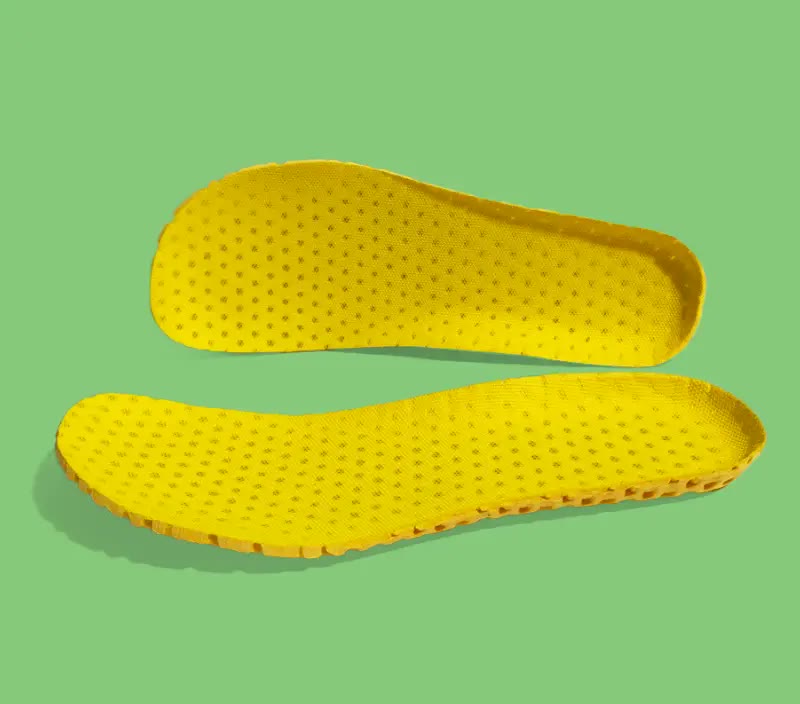
Many people find significant relief, because a wide toe box, zero-drop stance and arch support reduce the strain that triggers plantar fasciitis. Grounded’s Freedom is specifically designed for it, with shock-absorbing insoles and a 90-day trial so you can test the relief risk-free. Start with short walks and build up gradually.
Do barefoot shoes really help with weight loss?
Barefoot shoes won’t melt fat by themselves, but they do engage more muscles in your feet, legs and core with every step, which raises calorie burn compared with stiff, padded shoes. The bigger effect is behavioral: when walking stops hurting, you walk more — and that’s where the real health benefits come from.
How long does it take to get used to barefoot shoes?
Most people adapt within two to four weeks. Your calf muscles and arches do more work in zero-drop shoes, so ease in with short walks and alternate with your old shoes at first. Rushing the transition is the most common cause of soreness.
Are zero-drop shoes good for standing all day?
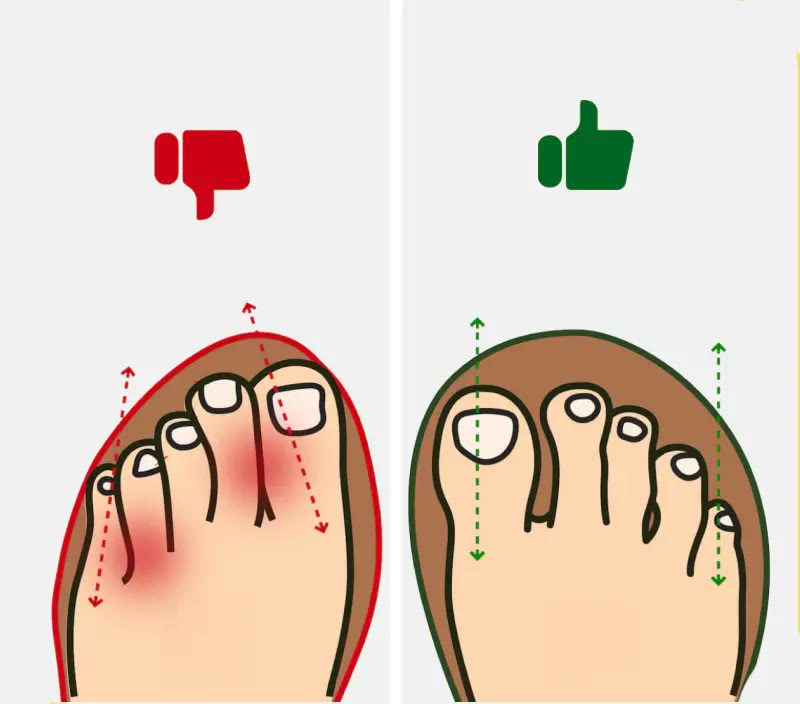
Yes — they’re a favorite among nurses, retail workers and anyone on their feet for a full shift. The combination of a wide toe box, arch support and lightweight build keeps pressure off the heels and forefoot, which is exactly why Grounded’s design earns praise from professionals who stand all day.
Is the Grounded Freedom really worth it?
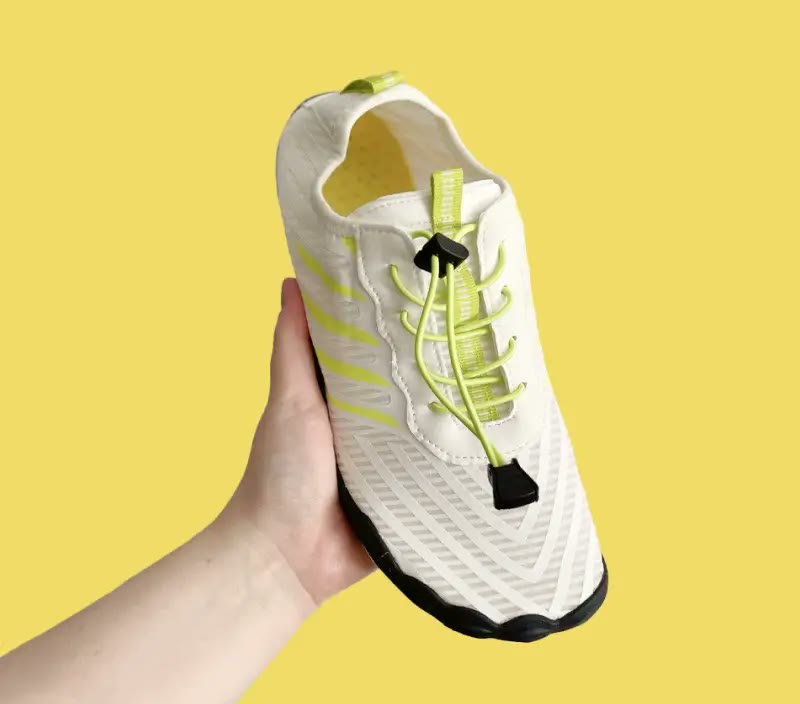
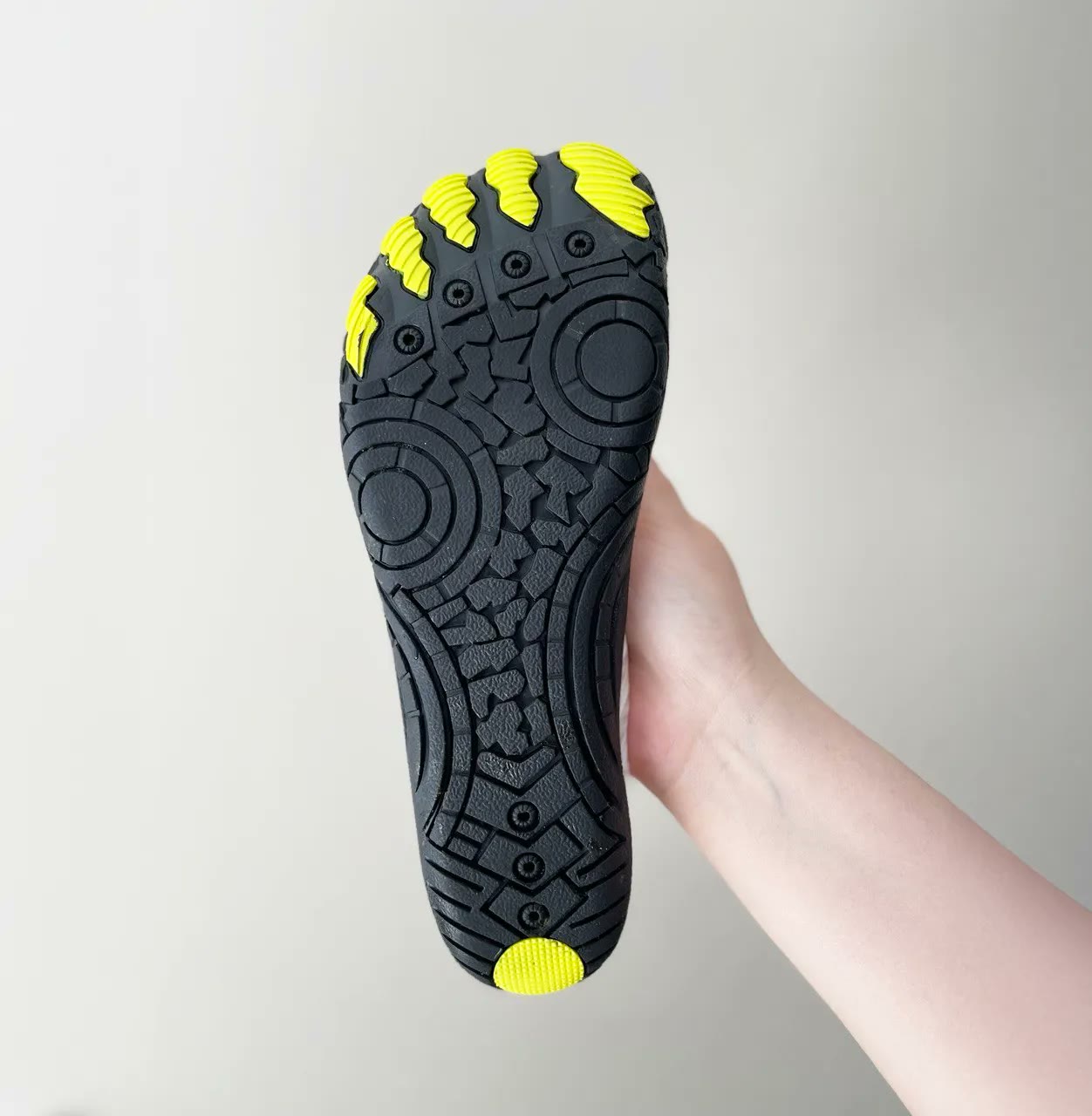
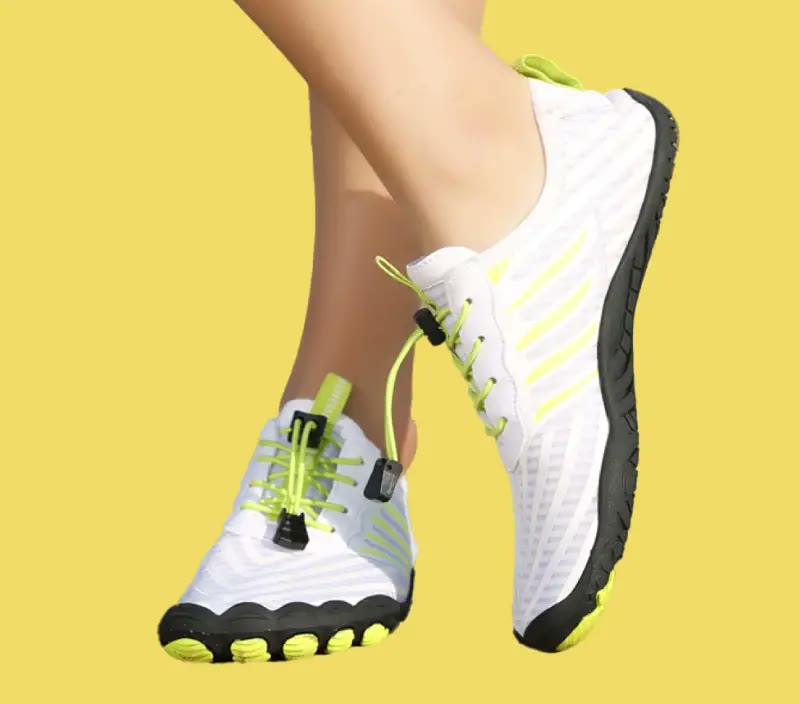
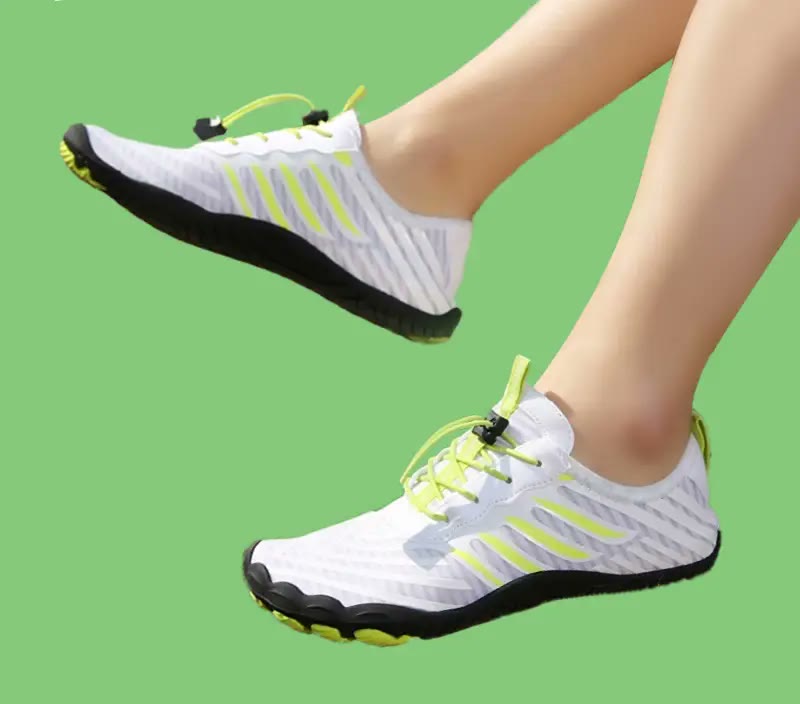
Yes — and it’s one of the best values we’ve tested this year. At the limited-time launch discount (up to 60% off) you get an orthopedist-approved design, a wide toe box, slip-resistant traction, a build that’s about 70% lighter than standard shoes, and a 90-day money-back guarantee with free size exchanges. It outperformed shoes costing twice as much on the features that matter most for foot pain and all-day comfort.